 Derma Den USA
Wound Care at Home - A Practical Guide to Serious Wound Care
Ulcers, pressure sores and burns all need the same basics: clean gently, keep the area moist and protected, and cover it. Here is how home wound care works, and where Dermaden® Advanced Wound Care Cream fits in.
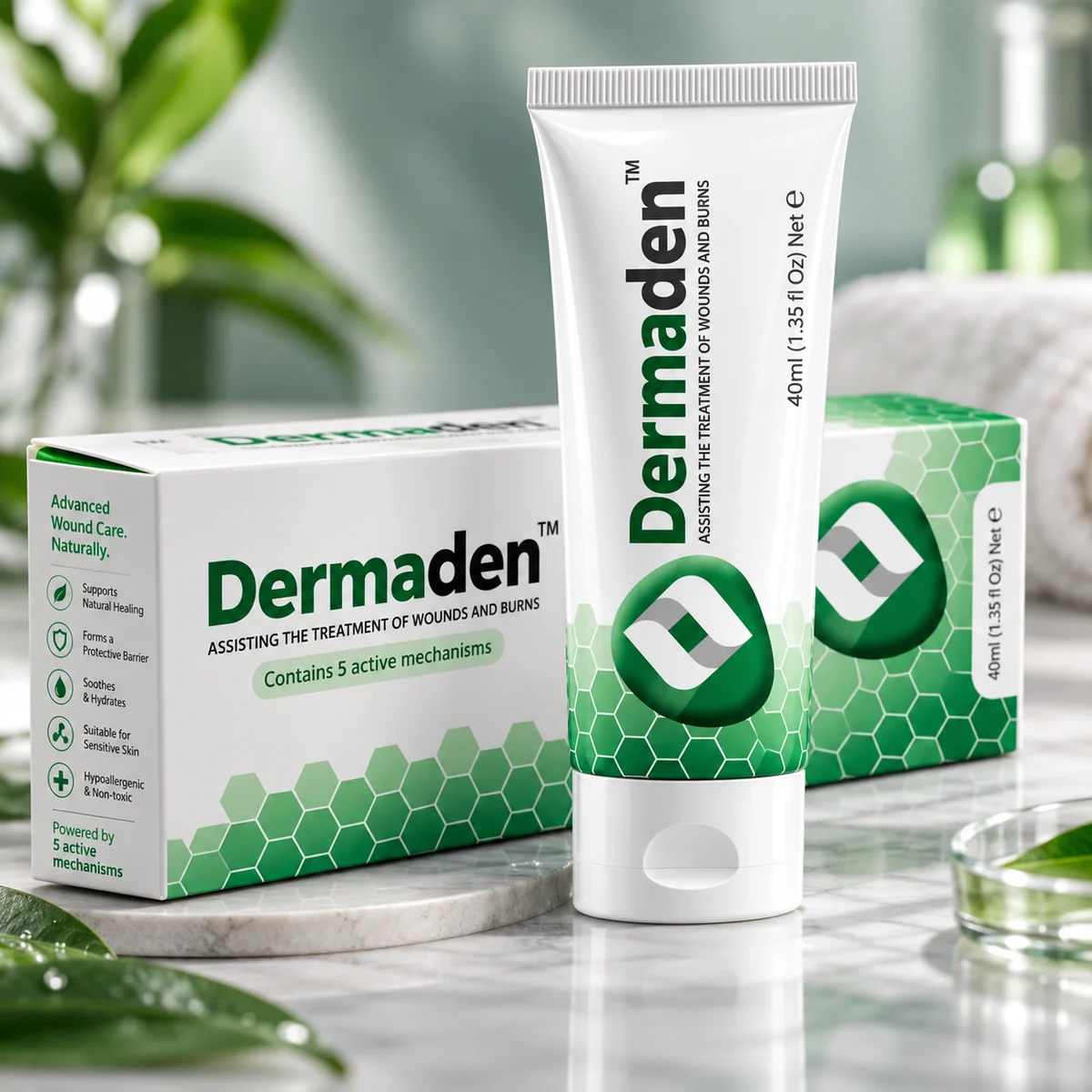
Three steps for every wound
- Clean
- Protect
- Cover
Why a Moist, Covered Wound Does Better
The single most useful idea in home wound care: skin recovers best when the surface is kept moist and protected, not left to dry out.
Dry and crusted vs moist and covered
Many of us grew up "letting a wound breathe" until a hard scab formed. Wound care has moved on. When the surface of a wound dries out, the body has to build new skin underneath a stiff crust, and that crust cracks easily every time the skin moves.
Kept moist and covered, the surface stays soft. New skin cells at the edges can travel across it more easily, the area is more comfortable, and it is less likely to crack or catch on clothing.
Moist does not mean wet. A wound sitting in too much fluid makes the surrounding skin soft, white and fragile. The aim is balance: enough moisture to stay soft and flexible, with any excess fluid taken up by the right dressing.
That is the idea behind everything on this page and in our guides: clean gently, keep the area protected and moist, and cover it with a dressing that suits the wound.
Clean, protect, cover. Three steps that work for almost every wound.
Wound Care Guides: What Are You Caring For?
Four practical guides, each with first steps, everyday care and how Dermaden® fits in.
-
 Guide 1
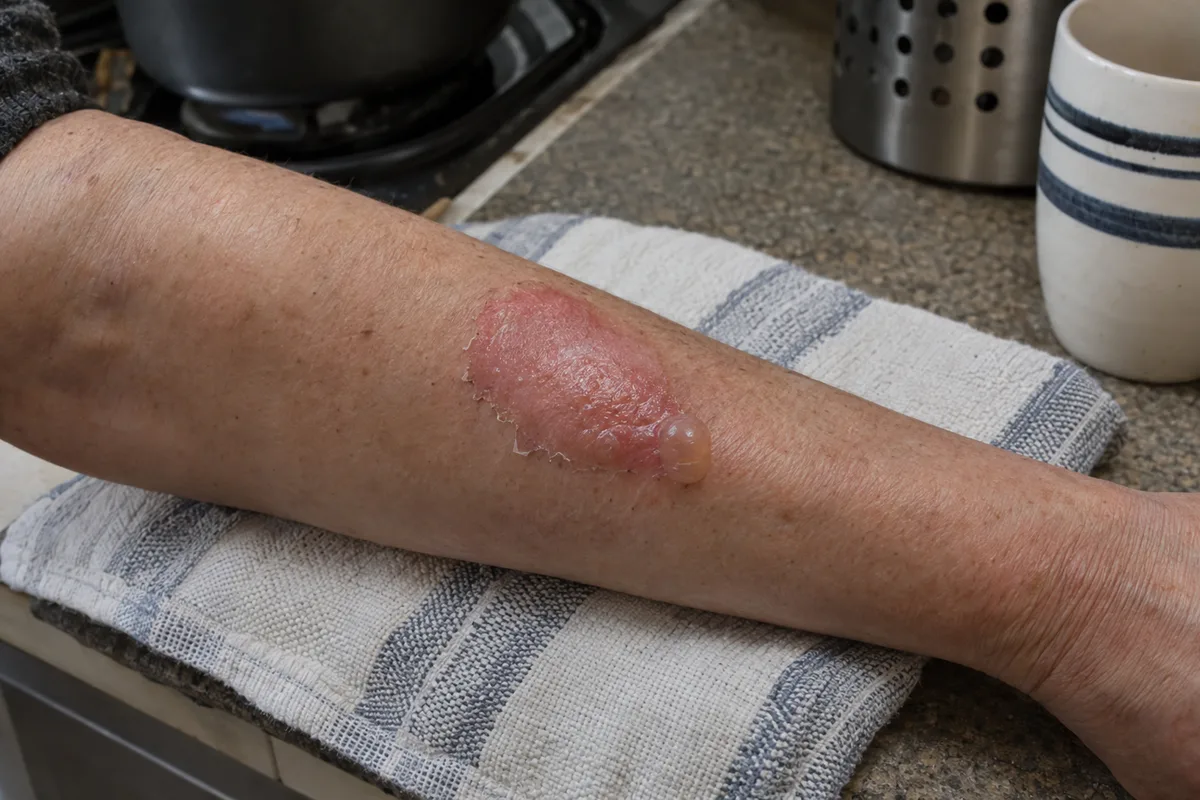
Minor Burns
- CoversKitchen and household burns
- First stepCool running water, 10 to 20 minutes
- DermadenA protective layer once the burn is cooled
-
 Guide 2
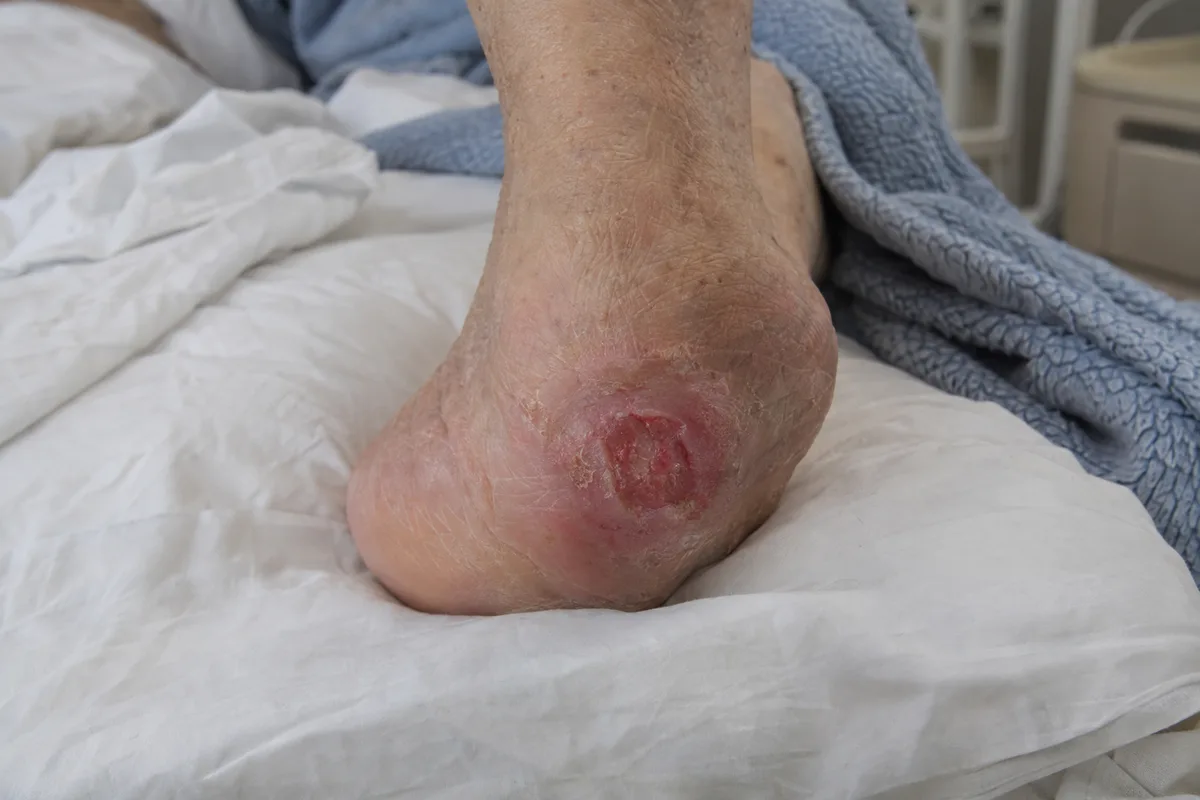
Bedsores & Pressure Sores
- CoversSkin under pressure in a bed or chair
- First stepChange position at least every 2 hours
- DermadenProtects fragile skin in a daily routine
-
 Guide 3
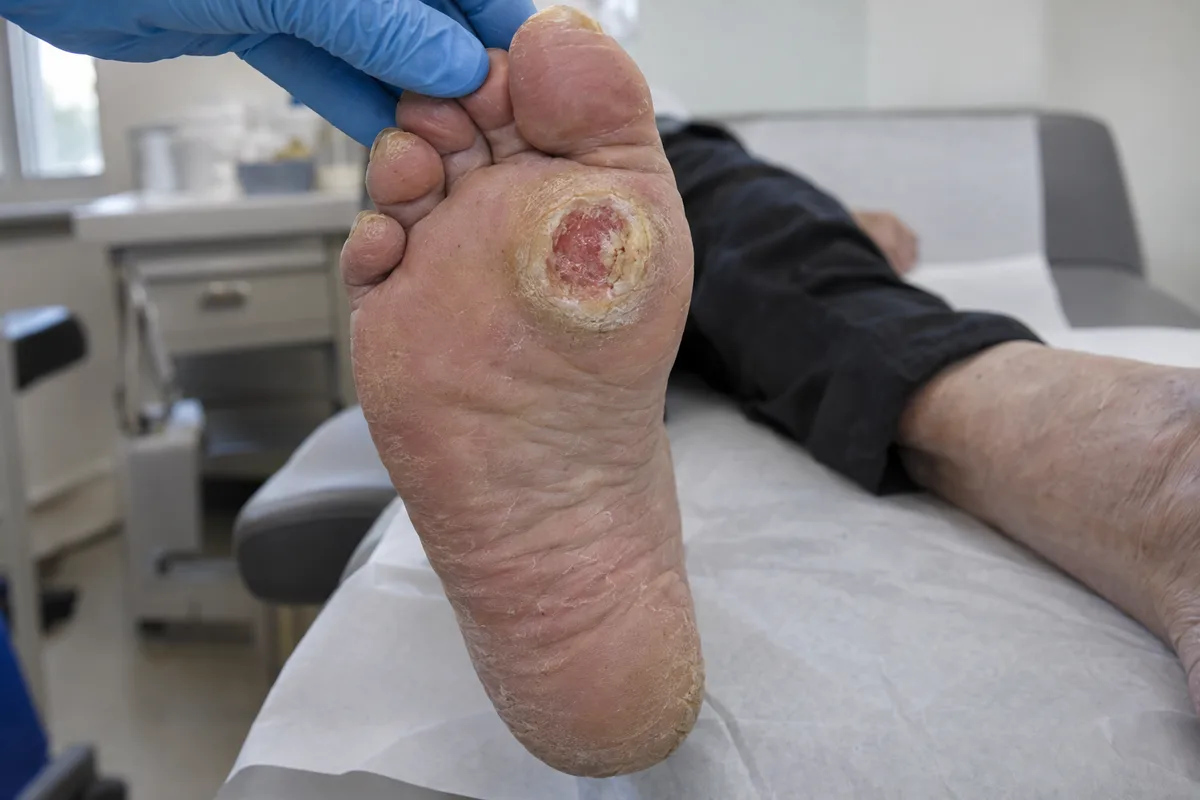
Diabetic Ulcers
- CoversSerious, slow-to-close diabetic wounds
- First stepAlways under a care team's plan
- DermadenA protective layer under a breathable dressing
-
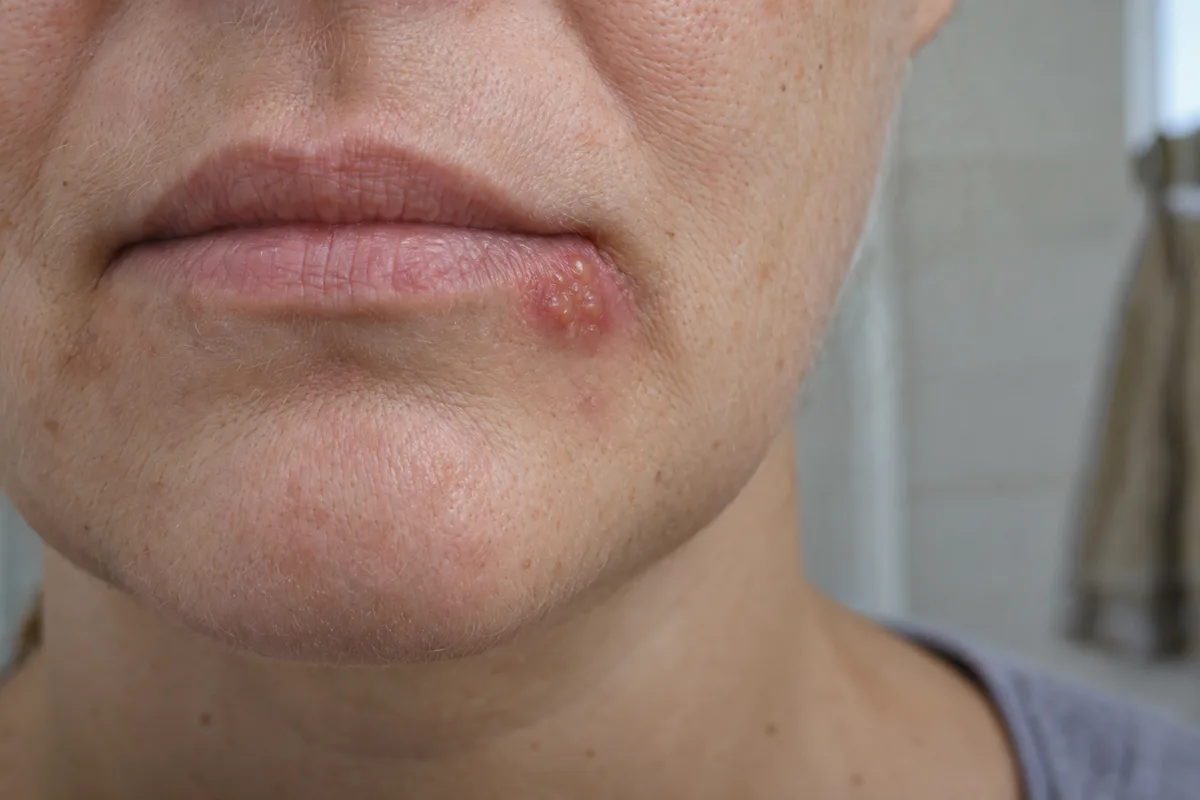 Guide 4
Cold Sores & Fever Blisters
- CoversThe skin around a flare-up
- First stepHands off, and wash your hands
- DermadenKeeps the surrounding skin soft and covered
-
How Dermaden® Works
The NMBM protective layer and the five mechanisms printed on every box.
Explore the science →
Types of Wounds and How They Differ
Different wounds start differently, but the home care principles stay the same.
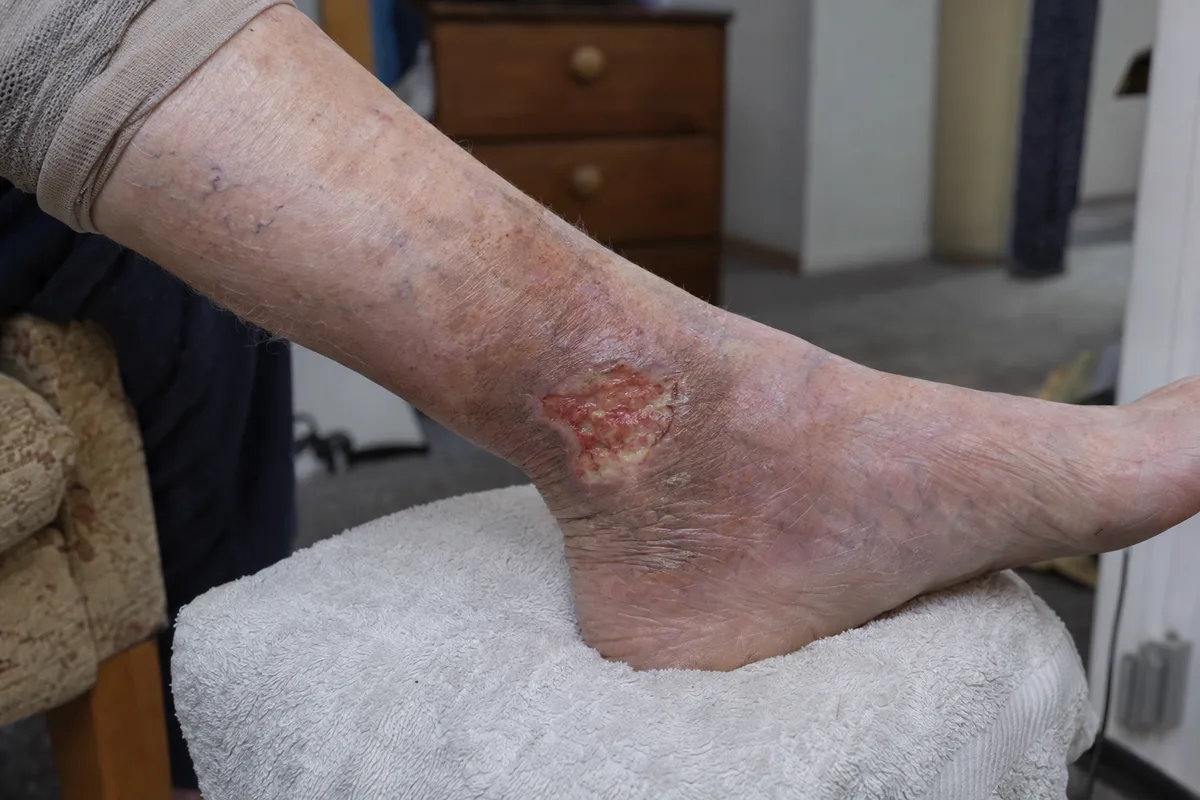
| Wound | What it is | Common causes | Home care focus |
|---|---|---|---|
| Minor burnBurns guide | Heat damage to the top layers of skin: red and sore, sometimes with a blister | Hot pans, steam, hot drinks, curling irons | Cool it first, leave blisters intact, then protect and cover |
| Diabetic ulcerDiabetic ulcers guide | An open wound, often on the foot, that is slow to close | Reduced feeling, slower blood flow, pressure from walking | Follow the care team's plan, keep it moist and protected, take the pressure off |
| Venous leg ulcer | An open wound on the lower leg where blood pools in the veins | Weak leg veins, long-term swelling of the legs | Follow the care team's plan, keep it moist and protected, compression as prescribed |
| Pressure sorePressure sores guide | Damage from constant pressure over a bony area | Long hours in a bed or chair | Relieve pressure, check the skin daily, protect fragile areas |
| BlisterBlisters & burns | Fluid trapped under the top layer of skin | Friction from shoes, minor burns | Don't pop it, cushion and cover; if it breaks, keep it clean and covered |
How to Clean a Wound at Home
Gentle beats harsh. Clean water does most of the work.
-
Wash your hands
Wash with soap and water before touching the wound. Disposable gloves help if you are caring for someone else.
-
Rinse with clean water
Hold the area under cool running tap water, or rinse with saline. Wash the skin around it with mild soap, keeping soap out of the wound itself.
-
What to skip
Harsh liquids
Hydrogen peroxide, alcohol and iodine can damage delicate new skin. Plain water or saline is gentler.
Cotton wool
Fibers can stick in the wound. Use clean gauze to pat dry, and tweezers cleaned with alcohol for visible grit.
Scrubbing
Rubbing breaks fragile skin. Pat the area dry, then apply a thin protective layer and cover.
Wound Dressing Types Compared
The right cover keeps the wound clean, moist and protected without sticking to it.
Whatever you choose, change it whenever it gets wet or dirty, and follow the directions on the pack.
| Dressing | Best for | How it helps | Good to know |
|---|---|---|---|
| Adhesive bandage | Small cuts and grazes | Quick cover with a small non-stick pad | Avoid on thin, fragile skin, where the adhesive can tear it |
| Non-stick pad | Minor burns, fragile skin around a wound | Covers without sticking to the surface | Hold in place with a light wrap or tape on healthy skin |
| Gauze and tape | Larger areas | Breathable, absorbs light fluid | Plain gauze can stick, so put a non-stick layer underneath |
| Foam dressing | Wounds with more fluid, pressure areas | Absorbs excess fluid and cushions | Comes in shapes for heels, elbows and the lower back |
| Hydrocolloid | Small, shallow wounds and blisters | Forms a soft gel that keeps the area moist | Can stay on for several days, as directed on the pack |
| Transparent film | Shallow wounds, keeping a dressing in place | Thin, waterproof, lets you see the skin | Not for wounds that leak fluid |
How Dermaden's NMBM Layer Fits In
One thin layer between cleaning and covering, doing five jobs at once.
Dermaden® Advanced Wound Care Cream uses the maker's NMBM technology: a Natural Matrix Bio-Polymer Membrane. Spread a thin layer after cleaning, and it settles into a flexible protective membrane that works like a light, temporary dressing.
It fits the moist-and-covered approach: it helps keep the area moist and balanced, then your usual breathable dressing goes on top. Dermaden is naturally derived, contains no antibiotics, and is made in Israel.
The NMBM layer forming
Protective barrier
Covers and shields the area, like a temporary dressing.
Moisture balance
Helps keep the skin from drying out, without leaving it soaked.
pH balance
Helps keep the skin's surface at a balanced pH.
Fluid management
Helps manage excess fluid from the wound area.
Nourishing amino acids
Supplies amino acids that nourish the skin.
Build a Home Wound-Care Kit
Everything for daily wound care, in one box you can find in a hurry.
Keep it somewhere cool and dry, check it every few months, and replace anything opened, used or past its date.
- Saline or clean bottled water for rinsing when there is no tap nearby
- Mild, unscented soap for the skin around the wound
- Sterile gauze pads for patting dry and padding
- Non-stick pads and adhesive bandages in a few sizes
- Paper tape and a light wrap to hold dressings without tearing skin
- Small scissors and tweezers for cutting dressings and lifting out grit
- Disposable gloves and cotton swabs for caring for someone else, and for applying creams
- A tube of Dermaden®: a thin protective layer between cleaning and covering
We Ship Nationwide
All 50 states, direct to your door.
We sell Dermaden® directly to customers online: 1.35 fl oz (40 ml) for $49, good for a first try or a travel kit, or 3.38 fl oz (100 ml) for $89, about 27% less per ml for ongoing care. Shop Dermaden.
Questions About Using Dermaden?
Tell us what you're caring for, and we'll help you use Dermaden the right way.
Our own team answers every call and message, whether you are caring for yourself, a child or a parent at home.
Shop at dermadenus.com, call +1 (848) 389-6474, or email in**@********us.com. Prefer to write? Use the form and we'll get back to you.
Wound Care Questions People Ask
Should a wound be kept moist or left to dry out?
Kept moist and covered. A moist surface stays soft and flexible, new skin cells move across it more easily, and it is less likely to crack. Moist does not mean soaking wet: the right dressing takes up any excess fluid.
What is the best way to clean a minor wound?
Wash your hands, then rinse the wound under cool running tap water or with saline. Wash the skin around it with mild soap, pat dry with clean gauze, apply a thin protective layer and cover it.
Should I use hydrogen peroxide or alcohol on a wound?
It is better not to. Hydrogen peroxide, alcohol and iodine can damage delicate new skin. Clean water or saline is gentler and works well for daily wound care.
How often should I change a dressing?
Whenever it gets wet or dirty, and as directed on the dressing's pack. Many simple dressings are changed once a day; some, like hydrocolloids, are designed to stay on for several days.
Should I cover a wound or let it breathe?
Cover it. A breathable dressing keeps the area clean, moist and protected from rubbing, which suits most wounds better than leaving them open to the air.
What should be in a home wound-care kit?
Saline or clean water, mild soap, sterile gauze, non-stick pads, adhesive bandages in several sizes, paper tape, small scissors, tweezers, disposable gloves, cotton swabs and a protective cream such as Dermaden®.
What is Dermaden® and how do I use it?
Dermaden® Advanced Wound Care Cream is a naturally derived cream made in Israel. After cleaning, apply a thin layer one to three times a day, as directed on the pack, then cover with a breathable dressing.
Does Dermaden contain antibiotics?
No. Dermaden® is naturally derived and contains no antibiotics. It works by forming a protective membrane over the skin.
Which size of Dermaden should I buy?
The 1.35 fl oz (40 ml) tube is $49 and suits a first try or a travel kit. The 3.38 fl oz (100 ml) tube is $89 and costs about 27% less per ml, which suits ongoing care. Both ship to all 50 states.
