 Derma Den USA
Cold Sores & Fever Blisters - How to Care for the Skin Around a Flare-Up
A cold sore can leave the skin on and around the lips tight, dry and cracked for a week or more. This guide covers the stages day by day, what the skin needs at each one, how to avoid spreading it, and how to have fewer flare-ups.
Three gentle habits
- Hands off
- Clean fingertip
- Your own tube
What Are Cold Sores and Fever Blisters?
Two names for the same thing: a small cluster of blisters on or around the lips that comes and goes.
A flare-up, start to finish
Most flare-ups run their course in about 7 to 14 days.
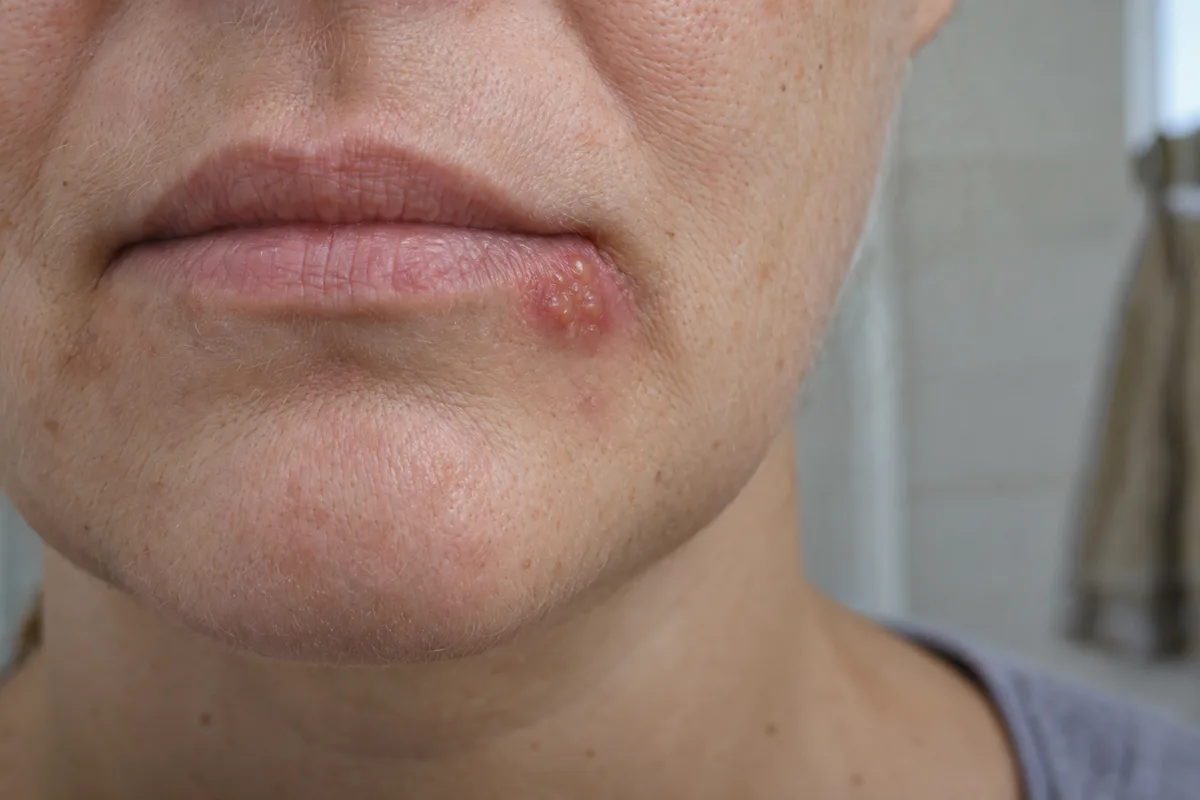
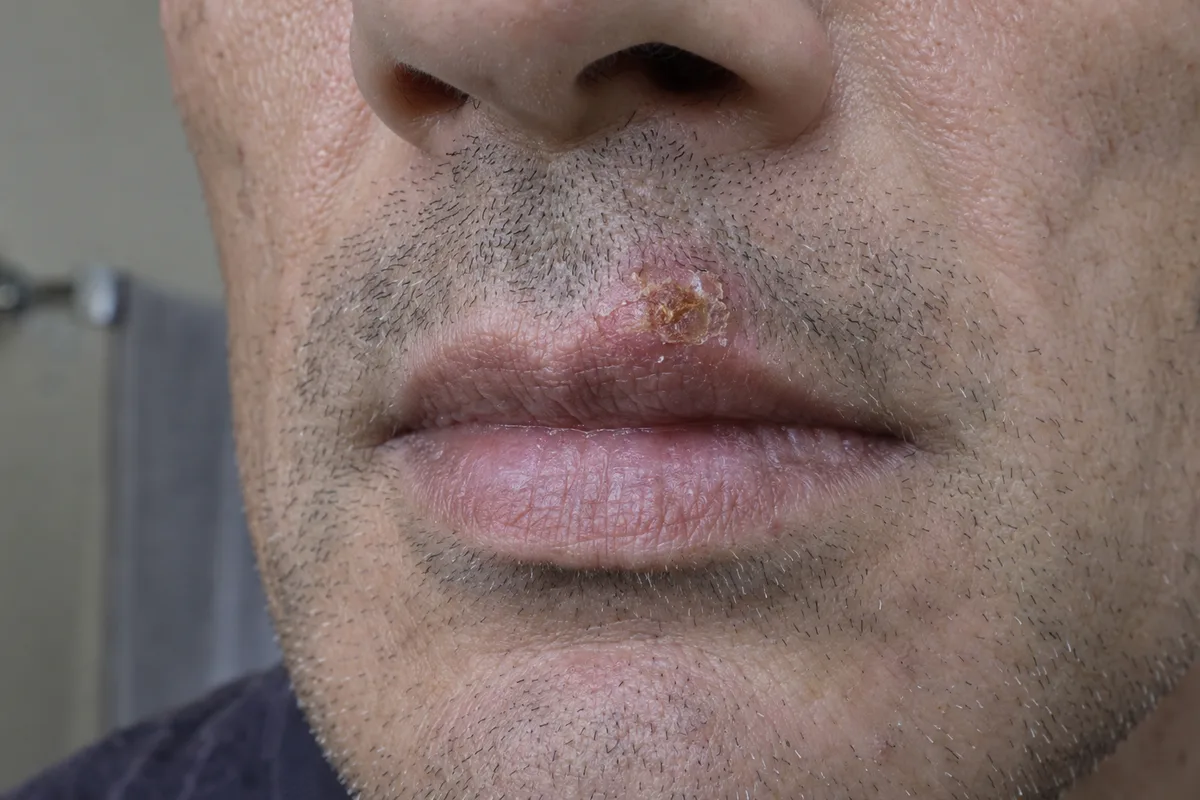
Cold sores, also called fever blisters, are small fluid-filled blisters that usually appear on the edge of the lips, and sometimes under the nose or on the chin. They are caused by the herpes simplex virus, most often type 1 (HSV-1). Most adults carry this virus, often since childhood, and many never notice it.
The virus never fully leaves. After the first episode it rests quietly in the nerve cells near the area. From time to time something wakes it up, and it travels back along the nerve to the skin. That is why cold sores tend to return to the same spot, and why the first sign is often a tingle before anything can be seen.
The name "fever blister" comes from a common trigger: a cold, flu or fever. The two terms mean exactly the same thing.
A flare-up usually lasts about a week to two weeks. At every stage, the skin around it can become tight, dry and cracked. That surrounding skin is what Dermaden® Advanced Wound Care Cream is for. Dermaden does not act on the virus itself.
The goal during a flare-up is simple: keep the skin around the sore clean, soft and covered, and keep the virus to yourself.
What Triggers a Cold Sore?
Most flare-ups follow something that puts the body or the lips under strain.
Triggers are personal. A simple note of what happened before each flare-up is the fastest way to learn yours.
-
Strong sun and wind
- WhyUV light and windburn stress the thin skin of the lips
- WhenBeach days, skiing, long hours outdoors
- HelpsLip balm with SPF 30 or higher, reapplied often
-
Stress
- WhyEmotional and physical stress lower the body's defenses
- WhenDeadlines, exams, travel, big life events
- HelpsRest, regular meals, keeping your tube handy
-
Colds, flu and fever
- WhyThe body is busy fighting another illness
- WhenDuring or just after being unwell
- HelpsKeep lips moisturized while you recover
-
Tiredness and poor sleep
- WhyBeing run down makes flare-ups more likely
- WhenLate nights, new babies, shift work
- HelpsProtecting sleep in busy weeks
-
Injury to the lips
- WhyDamage to the lip area can wake the virus
- WhenDental work, chapped or cracked lips, cosmetic procedures, lip biting
- HelpsKeeping lips soft and uncracked
-
Hormonal changes
- WhyShifts in hormones can bring on a flare-up
- WhenAround a menstrual period, or in pregnancy
- HelpsKnowing your timing and being ready
Cold Sore Stages, Day by Day
Each stage looks different, and the skin around the sore needs slightly different care at each one.
Timings vary from person to person. Use the days below as a guide, not a rule.
| Stage | Typical timing | What you notice | What the skin needs |
|---|---|---|---|
| TingleStage 1 | Day 1 | Tingling, itching, burning or tightness where the sore is about to appear. Nothing visible yet, or slight redness. | Hands off from now on. Keep lips moisturized, avoid sun on the area, and wash your hands after touching it. |
| BlisterStage 2 | Days 2 to 3 | A small cluster of fluid-filled blisters on red, swollen skin. The area can feel tender and hot. | Don't pop them. Rinse gently, pat dry with a clean tissue, and keep the surrounding skin soft with a thin protective layer. |
| WeepingStage 3 | Days 3 to 5 | The blisters break and leak clear fluid, leaving a shallow, raw spot. This is when a cold sore spreads most easily. | Extra hygiene. No kissing, no sharing, a clean fingertip or cotton swab for anything you apply, and hands washed straight after. |
| CrustStage 4 | Days 5 to 8 | A yellow-brown crust forms over the spot. It can crack when you talk, eat or smile, which is often the most uncomfortable part. | Keep it from drying out. A dry crust splits. A thin Dermaden layer on the skin around it helps keep the area moist and flexible. Let the crust come off by itself. |
| FadesStage 5 | Days 8 to 14 | The crust falls away and the new skin underneath looks pink. Over the next days it returns to your normal skin tone. | Gentle protection. The new skin is delicate. Keep it moisturized, use SPF on the lips outdoors, and replace lip products you used during the flare-up. |
How to Keep a Cold Sore Comfortable and Protected
Gentle, consistent care keeps the skin around the blister as comfortable as possible, at every stage.
Keep it clean. Rinse gently with plain water once or twice a day and pat dry with a clean tissue. Throw the tissue away. Don't use a shared towel, and don't scrub.
Don't pick, squeeze or pop. Picking at blisters or crusts can spread the virus to your fingers, your eyes or other people. It also reopens the skin and can leave a mark.
Keep the skin from drying out. Dry skin around a sore tightens and splits, especially once the crust forms. A thin protective layer keeps the surrounding skin soft and less likely to crack.
Go easy at mealtimes. Salty, acidic and spicy foods can sting. A straw helps during the crust stage.
Cool, not cold. A clean, cool damp cloth held on the area for a few minutes can feel soothing. Use a fresh one each time.
Protect it from the sun. Sun on the lips is a common trigger and can make a flare-up feel worse. Use a lip product with SPF when you are outdoors.
Why a thin layer helps
How to Avoid Spreading a Cold Sore
A cold sore can pass on from the first tingle until the skin is completely back to normal, and most easily while blisters are open.
The virus spreads through contact with the sore and anything that touches it: lips, fingers, cups, towels and lip products. Your own fingers can also carry it to your eyes.
Be especially careful around babies, young children and anyone with delicate health. Don't kiss them while you have a cold sore, and wash your hands before holding them or preparing their food or bottles.
When the flare-up is over, replace the lip balm, lipstick and lip gloss you used during it, and any makeup applicators that touched the area. Many people also change their toothbrush.
-
Hands off
Don't pick, squeeze or pop the blister, and try not to touch it at all. Touching it, then your eyes, is how it spreads to them.
-
Wash your hands
Wash with soap and water straight after touching the area or applying anything to it. Use a clean fingertip or a cotton swab each time.
-
Don't share
Keep cups, straws, cutlery, lip balm, towels, razors and your tube of cream to yourself. No kissing until the sore has completely gone.
-
Replace lip products
Use a separate lip balm during a flare-up and throw it away afterwards, along with lipsticks and applicators that touched the sore.
Clean fingertip in, clean hands out. That one habit does most of the work.
How to Reduce Cold Sore Flare-Ups
You can't remove the virus, but you can make flare-ups less likely and catch them early.
- Wear lip SPF every day outdoors: SPF 30 or higher, reapplied every couple of hours and after eating or swimming
- Keep lips moisturized: chapped, cracked lips are a common trigger, especially in winter
- Protect your sleep in busy weeks: being run down is one of the most reliable triggers
- Make room for stress relief: walks, exercise and breaks during stressful periods
- Avoid injuring your lips: no biting or picking at dry skin, and gentle care after dental work
- Learn your early signs: the first tingle is the moment to go hands off and start careful hygiene
- Keep a trigger note: write down what happened in the days before each flare-up
- Keep your own lip products: never share lip balm, lipstick or applicators
Makeup Over a Cold Sore
Wanting to cover a cold sore is completely normal. Done carefully, light makeup is possible once the sore has crusted over.
The risks are spreading the virus through applicators and drying out cracked skin.
✓Do
- Wait until the blisters have crusted, and keep makeup off open or weeping blisters
- Use a disposable applicator or cotton swab, and a fresh one for every dip
- Apply a thin protective layer to the surrounding skin first, so makeup doesn't dry it out
- Remove makeup gently at night with a clean cotton pad
✕Don't
- Double-dip a brush, sponge or finger back into the product
- Use your everyday lipstick or gloss on the sore
- Share makeup or let anyone else use your products
- Keep the applicators and lip products afterwards: replace them
Cold Sore vs Pimple vs Canker Sore
Three common spots around the mouth that are easy to mix up, and need very different handling.
| Cold sore | Pimple | Canker sore | |
|---|---|---|---|
| Where | On or around the outside of the lips, sometimes under the nose | Anywhere on the face, including near the lips, but not on the lip itself | Inside the mouth: inner lips, cheeks, gums or tongue |
| Looks like | A cluster of small fluid-filled blisters that later crust | A single raised bump, often with a white or yellow center | A small round ulcer, white or yellow with a red edge |
| First sign | Tingling, itching or burning before anything shows | A tender bump, no tingle | A sore spot inside the mouth |
| Cause | The herpes simplex virus waking up | A clogged pore | Not fully understood: minor mouth injuries, stress and some foods are linked |
| Contagious? | Yes, from the first tingle until the skin is back to normal | No | No |
| How long | About 7 to 14 days | A few days to a week | About 1 to 2 weeks |
| Squeeze it? | Never: it spreads the virus | Best not to: it can leave a mark | Not possible, and not helpful |
Where Dermaden® Fits In
A soft protective layer for the skin around a cold sore, through every stage of the flare-up.
Dermaden® Advanced Wound Care Cream uses the maker's NMBM (Natural Matrix Bio-Polymer Membrane) technology. A thin layer settles over the skin like a light, temporary dressing. It is most useful in the crust stage, when the skin around the sore dries and splits.
- Forms a protective barrier: a soft cover over the skin around the sore
- Helps keep the skin moist and comfortable, so it is less likely to dry out, crack and split
- Naturally derived, no antibiotics, made in Israel
- Keep it for yourself: one tube per person, and keep the cream away from the eyes
Dermaden does not act on the virus. It looks after the skin around the sore: soft, moist and covered while the flare-up runs its course.
How to Use Dermaden on the Skin Around a Cold Sore
Three simple steps, as directed on the pack, with clean hands every time.
-
Clean gently
Wash your hands, rinse the area with water and pat it dry with a clean tissue.
-
Apply a thin layer
Dab a thin layer of Dermaden® on the skin with a clean fingertip or a cotton swab, one to three times a day as directed on the pack. A thin layer is all it takes to form the protective membrane.
-
Wash your hands
Wash straight after applying and put the cap back on your own tube. Don't share it, and keep it handy for the times your flare-ups tend to come.
We Ship Nationwide
All 50 states, direct to your door.
We sell Dermaden® directly to customers online: 1.35 fl oz (40 ml) for $49, or 3.38 fl oz (100 ml) for $89. See also our guides to diabetic ulcers and minor burns, or how Dermaden works.
Questions About Using Dermaden?
Tell us what you're caring for, and we'll help you use Dermaden the right way.
Our own team answers every call and message. Not sure which size to pick, or how to fit Dermaden into your routine during a flare-up? Ask us.
Shop at dermadenus.com, call +1 (848) 389-6474, or email in**@********us.com. Prefer to write? Use the form and we'll get back to you.
Cold Sore Questions People Ask
What is the difference between a cold sore and a fever blister?
There is no difference. Both names describe the same small blisters on or around the lips, caused by the herpes simplex virus. "Fever blister" comes from a common trigger: a cold or fever.
How long does a cold sore last?
Usually about 7 to 14 days from the first tingle until the skin looks normal again, moving through tingle, blister, weeping, crust and fading. A first-ever cold sore can take longer.
Are cold sores contagious, and for how long?
Yes, from the first tingle until the skin is completely back to normal, and most of all while the blisters are open. Avoid kissing and sharing cups, towels and lip products, and wash your hands after touching the area.
What triggers a cold sore?
Strong sun and wind, stress, colds and fever, tiredness, injury to the lips (dental work, chapped or cracked lips) and hormonal changes are the most common. Triggers vary, so note what came before each flare-up.
Should I pop or pick a cold sore?
No. Popping or picking spreads the virus to your fingers, eyes and other people, reopens the skin and can leave a mark. Let the crust come off on its own.
Can I put makeup over a cold sore?
Once the blisters have crusted, yes, lightly. Use a disposable applicator, never double-dip or share, keep makeup off open blisters, and replace lip products and applicators afterwards.
How can I get fewer cold sores?
Wear lip SPF 30 or higher outdoors, keep your lips moisturized, protect your sleep, manage stress, avoid injuring your lips, and go hands off at the first tingle.
Is it a cold sore or a pimple?
A cold sore tingles first, sits on or at the edge of the lip and forms a cluster of small blisters. A pimple is a single bump with no tingle. Canker sores form inside the mouth and are not contagious.
Does Dermaden® get rid of cold sores?
No. Dermaden® does not act on the virus that causes cold sores. It forms a protective barrier that helps keep the skin around the sore moist and comfortable while the flare-up runs its course.
How do I apply Dermaden without spreading the sore?
Wash your hands, use a clean fingertip or a cotton swab, apply a thin layer to the skin around the sore, and wash your hands straight after. Use your own tube only, and keep the cream away from your eyes.
