 Derma Den USA
Bedsores & Pressure Sores - A caregiver's guide to protecting fragile skin
How bedsores form, how to recognize each stage, where to look in every position, and the daily routine that keeps pressure, friction and moisture off the skin. Written for families and caregivers looking after someone at home.
The caregiver's daily rhythm
- Reposition
- Check the skin
- Protect
What Are Pressure Sores, and Why Do They Form?
A pressure sore forms when skin is squeezed between a bone and a bed or chair for too long.
Pressure points when lying on the back
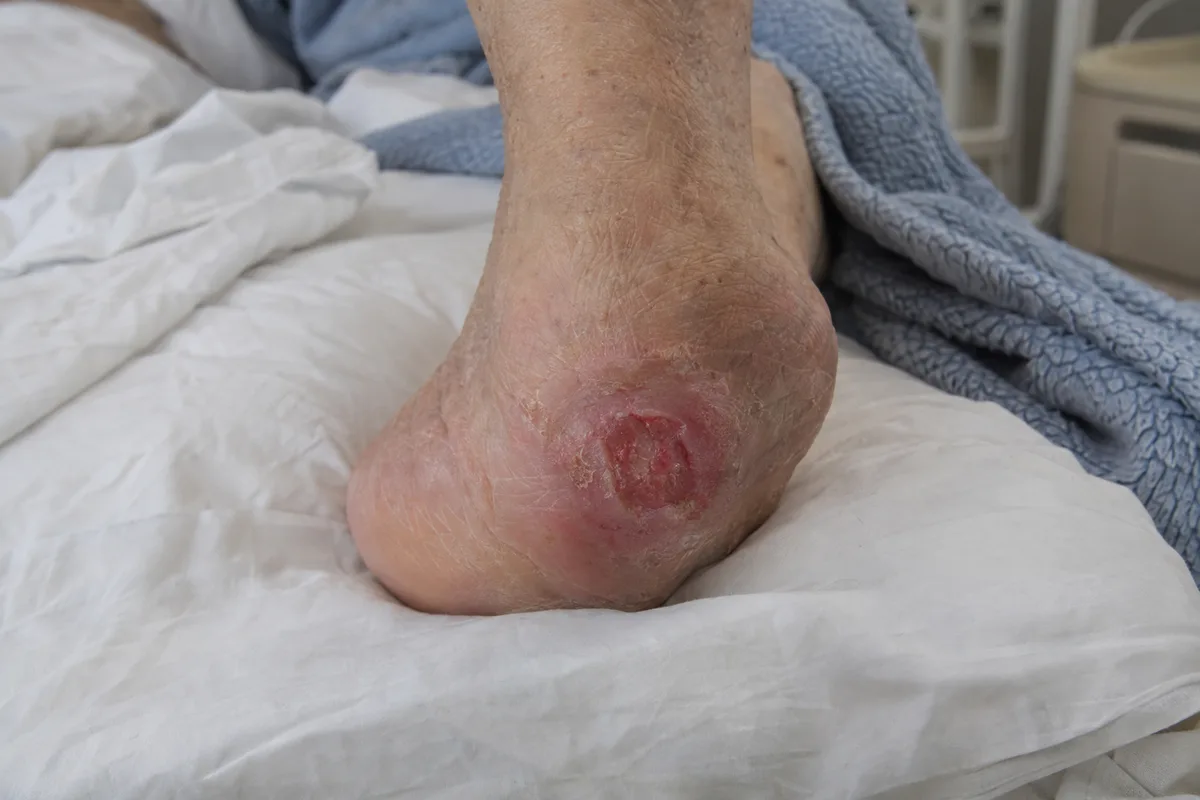
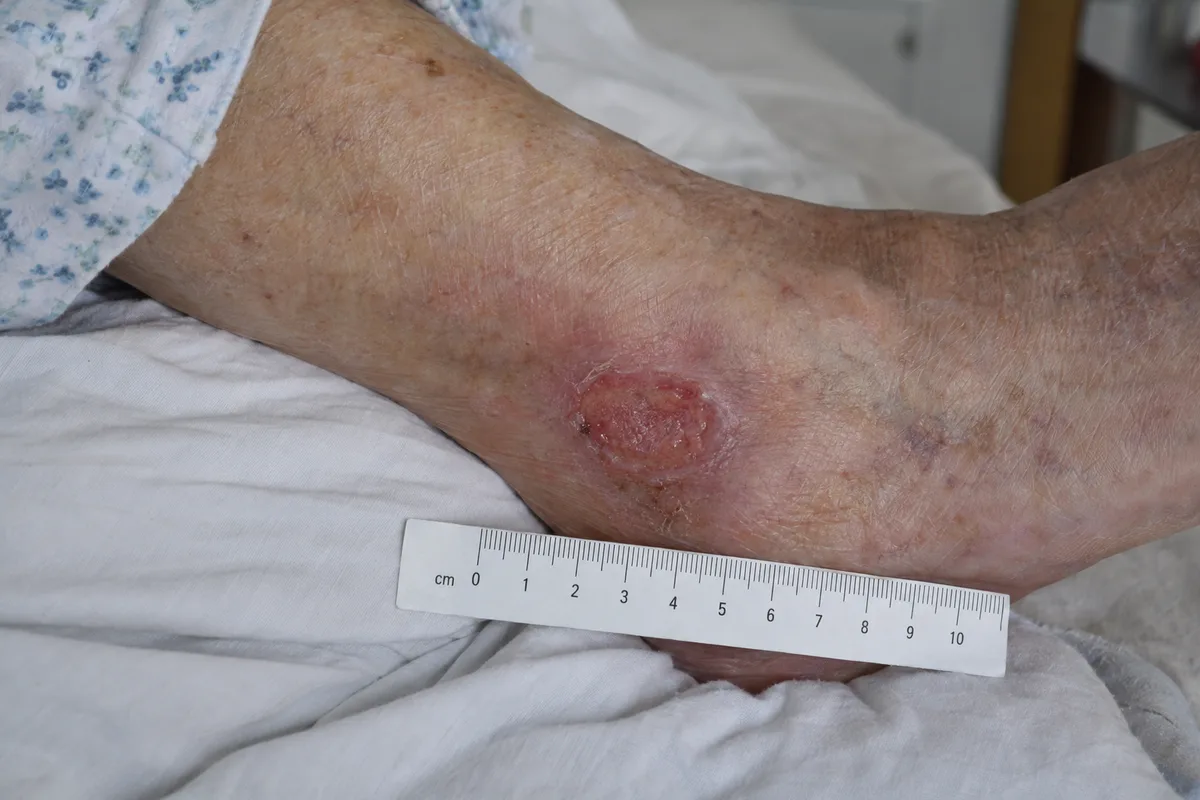
A pressure sore, also called a bedsore, pressure ulcer or pressure injury, is damage to the skin and the tissue beneath it caused by pressure that is not relieved. When body weight presses a bony area into a mattress or seat, the small blood vessels in that patch of skin are squeezed shut. Without a steady supply of blood, the skin and the tissue under it start to break down.
It can start faster than most people expect. In someone who cannot move on their own, damage can begin within a few hours of lying or sitting in the same position.
The people most at risk are those who are bedbound or use a wheelchair, older adults with thin, fragile skin, people recovering from surgery, a stroke or a long illness, people with reduced feeling (for example after a spinal injury or with diabetes), and anyone who is very thin, dehydrated or not eating well.
Pressure comes off when the body moves. Everything else in a good care routine builds on that.
Four Forces That Cause Bedsores
Pressure starts the damage. Shear, friction and moisture speed it up.
Each force has a simple counter-move that any caregiver can learn in a day. Keep all four low, day and night, and you have done most of the work of preventing pressure sores.
-
Pressure
-
Shear
-
Friction
-
Moisture
Move the body, lift instead of drag, keep the head of the bed low, keep the skin clean and dry, and protect it.
The Stages of Bedsores: How Each One Looks
Pressure sores are described by how deep the damage goes.
The diagrams show how far each stage reaches into the skin.
-
Stage 1
Red, unbroken skin
The skin is intact but stays red over a bony area, and does not fade when you press it lightly.
How it looksRed patch, or purple, blue or darker on darker skin tones. May feel warm, firm, soft or tender.
-
Stage 2
Shallow open sore or blister
The top layer of skin is broken. It looks like a shallow scrape, a pink or red sore, or a blister.
How it looksShiny or dry shallow sore, or an intact or broken fluid-filled blister.
-
Stage 3
Deep crater
The damage goes through the full thickness of the skin into the fat layer beneath, forming a crater.
How it looksA deeper open sore. Fatty tissue may be visible, but not muscle or bone.
-
Stage 4
Muscle or bone exposed
The deepest stage. The sore reaches muscle, tendon or bone, and the edges may tunnel under the skin.
How it looksA large, deep wound where muscle, tendon or bone can be seen.
-
Unstageable
Depth hidden
The base of the sore is covered by yellow, tan or green tissue (slough) or a dry black or brown crust (eschar), so its depth cannot be seen.
How it looksA sore covered by a yellowish layer or a hard dark crust.
Where Bedsores Form: High-Risk Spots by Position
Every position puts weight on a different set of bones.
Check the spots for each position the person spends time in, every day.
-
Lying on the back
- Back of the head
- Shoulder blades and spine
- Elbows
- Tailbone and buttocks (sacrum)
- Heels
-
Lying on the side
- Ear and side of the head
- Shoulder
- Hip bone
- Inner and outer knees
- Ankles
-
Sitting in a chair
- Sitting bones and buttocks
- Tailbone
- Shoulder blades and spine (against the backrest)
- Elbows on armrests
- Heels and soles on the footrest
How to Prevent Bedsores: Repositioning Schedules and Techniques
Changing position is the single most useful habit in pressure care.
In bed, every 2 hours. Change position at least every 2 hours, day and night, rotating between the back, the left side and the right side. On a pressure-relieving mattress the gap can sometimes be longer, but keep checking the skin.
In a chair, every 15 to 30 minutes. People who can should shift their weight by leaning forward or side to side. Limit time in one chair and return to bed when sitting gets long.
Keep a turning chart. Write down the time and position after each turn. It helps the whole family keep the rhythm, especially at night.
- The 30-degree tiltInstead of lying fully on the side, roll the person about a third of the way over and tuck a pillow or wedge behind the back. Weight rests on the buttock, not the hip bone.
- Float the heelsPlace a pillow lengthwise under the calves so the heels hang just above the mattress. Heels have very little padding.
- Pillows between bony partsA pillow between the knees and another between the ankles stops bone pressing on bone when lying on the side.
- Head of the bed at 30 degrees or lessRaise it higher only for meals and as needed, then lower it again. Bend the knees slightly so the body doesn't slide down.
The 2-hour repositioning clock
In a chair or wheelchair: shift weight every 15 to 30 minutes, with help if needed.
Pressure-Relieving Mattresses, Cushions and Heel Protectors
The right surface spreads body weight over a larger area.
They work alongside repositioning, not instead of it.
| Surface | What it does | Often used for |
|---|---|---|
| High-specification foam mattress or overlay | Molds to the body and spreads weight over a larger area than a standard mattress. | People at risk who can still move a little on their own. |
| Alternating-pressure air mattress | Air cells inflate and deflate in turn, so the points carrying weight keep changing. | People who cannot change position by themselves. |
| Low-air-loss mattress | A gentle flow of air helps keep the skin cooler and drier while spreading weight. | People who sweat a lot or have trouble with skin moisture. |
| Pressure-relieving seat cushion | Air, gel or foam cushions spread the weight of sitting away from the tailbone and sitting bones. | Wheelchair and armchair users who sit for long periods. |
| Heel protectors and boots | Lift the heel off the mattress or cushion it, and stop the foot rubbing on the sheet. | Anyone who spends long periods in bed. |
Skip ring or donut cushions. They press a ring of pressure into the skin around the hole and reduce blood flow to the area in the middle. A flat pressure-relieving cushion does the job better.
Daily Skin Inspection and Moisture Care
Two minutes of looking, morning and evening, catches changes at the earliest stage.
Check in good light. Look at every bony area for the positions the person uses. A hand mirror helps with heels and the back of the head.
Use the press test. Any red area that does not turn pale when you press it gently needs the pressure taken off straight away.
Feel as well as look. On darker skin tones redness can be hard to see. Compare the temperature and firmness of the area with the skin around it, and look for purple, blue or darker patches.
Write it down. Note any spot you are watching, with the date, so changes are easy to see from day to day.
Look under the person, too. Wrinkled sheets, crumbs, catheter tubing and buttons can all press into the skin for hours without anyone noticing.
- Clean promptly and gentlyAfter any accident, clean with warm water and a mild, pH-balanced or no-rinse cleanser. Avoid scrubbing and hot water.
- Pat dry, don't rubUse a soft towel and pay attention to skin folds. Rubbing adds friction to skin that is already under strain.
- Protect the skinA thin protective layer keeps fragile areas comfortable and shields them from moisture between changes.
- One absorbent pad, changed promptlyUse a single breathable pad that wicks moisture away. Several layers trap heat and wetness against the skin.
Nutrition and Hydration Basics for Healthy Skin
Skin needs fuel to stay strong.
People who are unwell or bedbound often eat and drink less.
Protein at every meal
Eggs, dairy, fish, chicken, beans and lentils. Protein is the building material skin uses every day.
Fluids through the day
Offer drinks little and often. Dry skin and dark urine are signs that more fluid is needed.
Enough calories
Unplanned weight loss leaves less padding over the bones. Small, frequent meals and snacks help when appetite is low.
Color on the plate
Fruit and vegetables provide vitamins C and A and zinc. Ask about supplement drinks if meals are being skipped.
Where Dermaden® Fits Into Pressure Care
Caregivers use Dermaden® Advanced Wound Care Cream as part of daily skin care.
Here is what the cream does in that routine:
- Forms a protective barrier - a thin layer over the skin that acts like a light, temporary dressing
- Helps keep the area moist and comfortable - so fragile skin does not dry out and crack
- Supports the skin's natural recovery - by helping maintain a balanced environment on the surface
- Easy for caregivers - a thin layer 1 to 3 times a day, as directed on the pack, under a breathable dressing
One thin layer, made in Israel. The maker calls it NMBM: a Natural Matrix Bio-Polymer Membrane that settles over the skin and stays put under a breathable dressing.
The Caregiver's Daily Bedsore Prevention Checklist
Everything above, on one page.
Print it or keep it on your phone. Tick it off morning and evening.
- Every 2 hoursTurn and recordBack, left side, right side. Note the time on the turning chart.
- Morning and eveningCheck every bony areaFor the positions the person spends time in, in good light.
- Any red spotDo the press testRed that doesn't fade means keeping all weight off that spot.
- In bedFloat the heelsPillow under the calves, heels clear of the mattress.
- After any accidentClean, pat dry, protectGentle cleanser, soft towel, a thin protective layer.
- Each changeSmooth, dry beddingNo wrinkles, crumbs, tubes or extra pads under the person.
- DailyThin layer of Dermaden®On fragile areas, under a breathable dressing.
- Through the dayFluids and proteinA drink with every turn, protein at every meal.
We Ship Nationwide
All 50 states, direct to your door.
Sold directly to customers online. 1.35 fl oz $49 · 3.38 fl oz $89, the larger tube suits daily caregiving. Order at dermadenus.com/shop.
Questions About Using Dermaden?
Caring for someone at home is a lot to carry. We are happy to talk it through.
Call +1 (848) 389-6474 or email in**@********us.com. Related guides: diabetic ulcers and burns, or how Dermaden works.
Bedsore and Pressure Sore Questions
What causes bedsores?
Bedsores are caused by pressure that is not relieved, usually where a bone presses the skin into a bed or chair. The pressure reduces blood flow to that patch of skin. Shear (the body sliding while the skin stays put), friction (rubbing on sheets) and moisture from sweat or incontinence make the skin weaker and speed up the damage.
How quickly can a bedsore develop?
In someone who cannot move by themselves, skin damage can begin within a few hours of lying or sitting in the same position. That is why repositioning at least every 2 hours in bed, and shifting weight every 15 to 30 minutes in a chair, matters so much.
What are the stages of a bedsore?
Stage 1: red, unbroken skin that does not fade when pressed. Stage 2: a shallow open sore or blister. Stage 3: a deeper crater into the fat layer. Stage 4: damage reaching muscle, tendon or bone. Unstageable: the base is covered by slough or a dark crust, so the depth can't be seen.
What does a stage 1 bedsore look like?
A patch of intact skin over a bony area that stays red after pressure is removed, and does not turn pale when you press it gently with a fingertip. On darker skin tones it may look purple, blue or darker than the surrounding skin. It can feel warmer, cooler, firmer or softer than nearby skin, or be tender.
Where do bedsores most commonly occur?
Over bony areas with little padding: the tailbone, heels, hips, shoulder blades, elbows and the back of the head. Lying on the side adds the ears, shoulders, knees and ankles; sitting adds the sitting bones.
How often should a bedridden person be turned?
At least every 2 hours, day and night, rotating between the back and each side. Someone on a pressure-relieving mattress may manage a little longer between turns, but the skin should still be checked regularly. Keeping a turning chart helps everyone stay on schedule.
What is the best position to prevent bedsores?
Many caregivers use the 30-degree tilt: rolling the person a third of the way onto their side with a pillow or wedge behind the back, so weight rests on the buttock rather than the hip bone. Add a pillow between the knees and ankles, float the heels with a pillow under the calves, and keep the head of the bed at 30 degrees or lower when possible.
Do special mattresses and cushions help prevent bedsores?
Yes. Pressure-relieving foam mattresses, alternating-pressure air mattresses and seat cushions spread body weight over a larger area or keep moving the points that carry it. They work alongside regular repositioning, not instead of it. Avoid ring or donut cushions, which concentrate pressure around the hole.
Should I massage red skin over a bone?
No. Rubbing or massaging skin that is already red can damage the tissue underneath further. Take the pressure off that spot, keep the skin clean, dry and protected, and keep checking it at each turn.
Can I use Dermaden® as part of pressure care?
Yes. Caregivers use Dermaden® as part of daily skin care: a thin layer forms a protective barrier that helps keep fragile skin moist and comfortable. Apply it 1 to 3 times a day, as directed on the pack, under a breathable dressing, alongside repositioning and the daily skin check.
