 Derma Den USA
How Dermaden Works - The Science of NMBM, the Natural Matrix Biopolymer Membrane
Dermaden® Advanced Wound Care Cream is built on one idea: give damaged skin a calm, protected, balanced surface to do its own work under. Here is what the cream is made of, what each part does once it is on the skin, and what a clinical study at Sheba Medical Center in Israel measured.
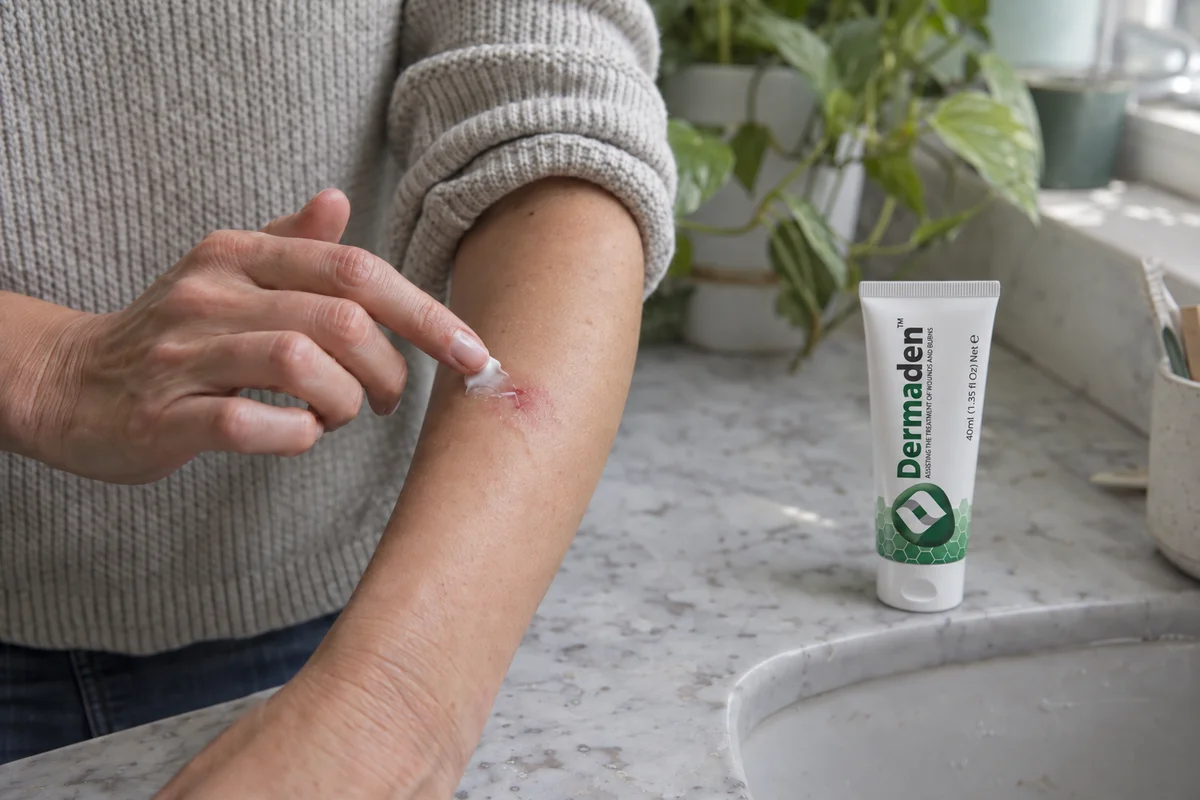
NMBM in one thin layer
- Barrier
- pH 6.5–7
- Moisture
What NMBM Is
A cream that settles into a flexible membrane over the skin and works like a light, temporary dressing.
- No active ingredientIt works physically, through the membrane it forms, not through a drug.
- No antibioticsNothing in the formula is an antibiotic.
- Made in IsraelDeveloped and manufactured in Israel, sold direct in the US.
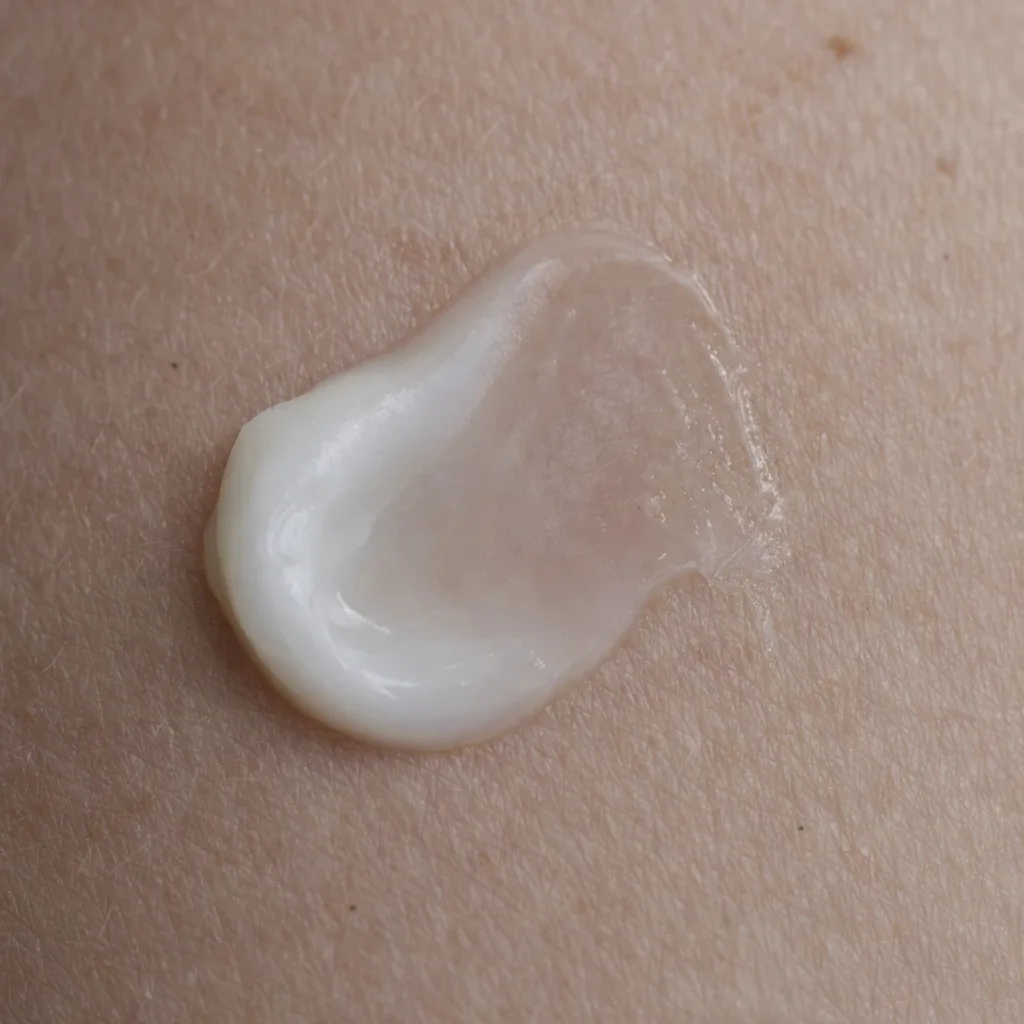
NMBM stands for Natural Matrix Biopolymer Membrane. It is the technology inside Dermaden®, and the name describes what happens when you apply it: a thin layer of cream settles over the skin and becomes a soft, flexible membrane. That membrane covers the area, holds moisture where the skin needs it, and keeps the surface protected from rubbing, dirt and the air.
The formula was designed to mimic the protective lipid surface that healthy skin makes for itself. Healthy skin is coated with a thin film of fats and waxes that keeps water in and the outside world out. When skin is damaged, that film is gone. Dermaden puts a similar layer back while the skin rebuilds its own.
What makes NMBM different from an ordinary ointment is that it does several jobs in the same layer. Most skin products focus on one thing: keeping the area greasy, or keeping it dry. The research describing NMBM lists a combination of properties working together: a lipid barrier, a stable slightly acidic pH, a high sugar content that draws excess fluid up to the surface, and a gel-like structure that holds moisture. The box sums this up as five active mechanisms.
Healthy skin protects itself with a thin lipid film. Dermaden puts a similar layer back while the skin rebuilds its own.
One Layer, Five Mechanisms
Spread a thin layer after cleaning, and the membrane forms across the surface.
The animation shows the idea in one picture: a few drops of cream on a small wound, a membrane drawing across the surface, and the five jobs that membrane does at the same time. Below, each mechanism is explained on its own, with the ingredients behind it.
The order of use stays simple whatever the wound: clean gently, apply a thin layer, then cover with a breathable dressing.
The NMBM layer forming
The Five Mechanisms, Explained
What each part of the formula does once it is on the skin, based on the published description of NMBM.
A film that mimics the skin's own lipid layer
Beeswax and carnauba wax, together with fatty acids such as lauric, myristic and stearic acid, give the membrane its body. Once spread, they form a soft physical barrier, much like the natural lipid film that coats healthy skin.
That barrier is what lets Dermaden act like a temporary dressing: it covers the area, reduces friction from clothing and bedding, and keeps dirt off the surface. The researchers describe the viscous cream as a physical barrier that helps prevent contamination of the surface it covers.
- Beeswax
- Carnauba wax
- Lauric acid
- Myristic acid
- Stearic acid
- Glyceryl oleate
A stable pH of 6.5 to 7
Healthy skin is slightly acidic. When it is damaged, the surface pH can drift, and that drift is part of what makes a wound environment harder for the skin to work in. NMBM is formulated to hold the surface at a consistent pH of 6.5 to 7.
The study paper explains how: four amino acids in the formula (L-lysine, glycine, histidine and arginine) act as a buffer. A buffer resists change, so as conditions on the skin shift, the membrane keeps nudging the surface back into the same slightly acidic range. Potassium hydroxide is used in small amounts only to set that pH during manufacturing.
- L-lysine HCl
- Glycine
- Histidine
- Arginine
Drawing excess fluid up into the film
A hypertonic film that pulls excess fluid upward
NMBM has a high sugar content, from fructose and sorbitol. On the skin, that makes the membrane hypertonic: it holds more dissolved sugar than the fluid in the tissue below. Water naturally moves toward the more concentrated side, so excess fluid is drawn up from the wound bed into the film.
The study paper describes this as an osmotic gradient between the skin surface and the deeper layers. In practical terms, it means the area is less likely to sit in pooled fluid, while the film itself stays moist. The study authors compare it with other sugar-rich preparations such as honey, here delivered as a smooth, measured cream.
- Fructose
- Sorbitol
- Glycerin
A gel-like layer that holds moisture
Moist, not soaked
The researchers describe NMBM as behaving like a hydrogel: a three-dimensional structure that can take up a large amount of water and hold it, while keeping its shape. Sodium polyacrylate helps give the membrane that structure, and humectants such as glycerin and sorbitol hold water in place.
Why it matters: skin recovers best when its surface is kept moist and protected, not left to dry into a hard, cracked crust. A layer that holds water keeps the surface soft and flexible, and the fluid-drawing effect above stops it from becoming waterlogged. The two work as a pair.
- Sodium polyacrylate
- Glycerin
- Sorbitol
- Purified water
Four amino acids in every tube
- L-lysine
- Glycine
- Histidine
- Arginine
The same four amino acids do two jobs: they buffer the pH, and they supply the skin with building blocks.
Building blocks the skin uses
Amino acids are the building blocks of proteins, including the collagen and keratin that skin is made of. NMBM includes four of them: L-lysine, glycine, histidine and arginine. Glycine and lysine are major components of collagen, and arginine plays a part in the skin's own repair processes.
In Dermaden they have a double role. Alongside nourishing the skin's surface, they are the buffer that holds the membrane at pH 6.5 to 7, as described in mechanism 2.
What Is in Dermaden: the Full Ingredient List
Every ingredient, grouped by the job it does.
Nothing in the formula is an antibiotic or a drug. It is a combination of waxes, lipids, sugars, amino acids and water that together form the membrane.
- Base
Water
- Purified water
The base of the cream, and the moisture the membrane starts with.
- Barrier
Natural waxes
- Beeswax
- Carnauba wax
Give the membrane its body and its protective, film-forming character.
- Lipids
Fatty acids and emollients
- Lauric acid
- Myristic acid
- Stearic acid
- Glyceryl oleate
- Ethylhexyl stearate
Mimic the skin's own lipid layer and keep the surface soft.
- Moisture
Humectants
- Glycerin
- Sorbitol
Attract and hold water so the surface does not dry out.
- Fluid management
Sugar
- Fructose
Makes the film hypertonic, drawing excess fluid up and away.
- pH buffer
Amino acids
- L-lysine HCl
- Glycine
- Histidine
- Arginine
Hold the surface at pH 6.5 to 7 and supply building blocks.
- Structure
Hydrogel former
- Sodium polyacrylate
Gives the membrane its gel-like, water-holding structure.
- Texture
Emulsion and pH adjusters
- Propylene glycol
- Trideceth-6
- Potassium hydroxide
Keep water and oils blended into a smooth cream, and set the pH.
- Freshness
Preservative
- Phenoxyethanol
A standard preservative used across skin care to keep the cream safe in the tube.
Ingredients as published in the Sheba Medical Center study (Journal of Wound Care, 2020). Always check the label on your tube.
Gentle on Skin: the Patch Test
Skin that is already damaged should not be asked to cope with an irritating product.
Before the clinical study, NMBM was put through a repeat insult patch test, the standard test for whether a product irritates or sensitizes skin with repeated contact.
Reported in the Journal of Wound Care, 2020 (reference 43 of the Sheba study). If you know you react to any ingredient listed above, check the label before use.
Clinical Background: the Sheba Medical Center Study
A pilot randomised clinical trial, published in the Journal of Wound Care in 2020.
NMBM was studied at the Department of Dermatology of Sheba Medical Center in Ramat Gan, Israel. The study compared NMBM with conventional dressings in adults with hard-to-close venous leg ulcers, a demanding test because these wounds often persist for months.
Here is what the study did, what it measured, and what its authors concluded, in plain words.
The authors' conclusion: NMBM was found to be as effective and as safe as the conventional dressings used in the control group. The differences between the two groups were not statistically significant, and as a small pilot, the study calls for larger trials.
Atias Z, Pederson JM, Mishra HK, Greenberger S. The effect of natural matrix biopolymer membrane on hard-to-heal venous leg ulcers: a pilot randomised clinical trial. J Wound Care. 2020;29(5).
What the study measured after 4 weeks
For area and volume, a lower number means a smaller ulcer than at the start. Both groups also used compression stockings. The differences between groups were not statistically significant, so the study shows NMBM performing in line with conventional dressings, not proven better than them.
How to Use Dermaden
The same simple routine the study participants followed. Always follow the directions on the pack.
-
Wash and dry
Wash your hands. Rinse the area gently with clean water or saline, wash the skin around it with mild soap, and pat dry with a clean, disposable tissue or gauze.
-
Apply a thin layer
Spread a thin layer of Dermaden® so it coats the whole area. One to three times a day is typical; follow the pack. A thin layer is enough to form the membrane.
-
Cover and repeat
Cover with a breathable dressing suited to the area, and change it when it gets wet or dirty. Reapply Dermaden each time you change the dressing.
Where People Use Dermaden
Practical guides for the skin people look after at home, and how the NMBM layer fits into each routine.
-
 Guide 1
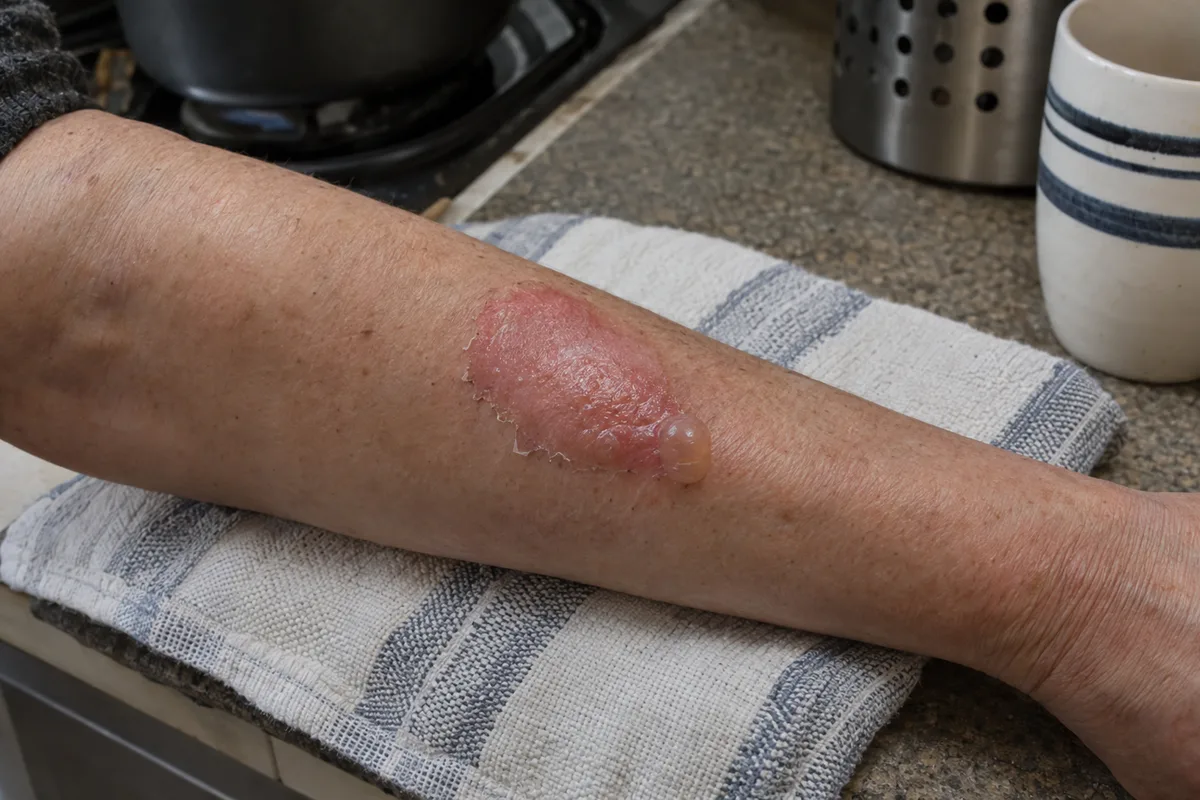
Minor Burns
- CoversKitchen and household burns
- First stepCool running water, 10 to 20 minutes
- DermadenA protective layer once the burn is cooled
-
 Guide 2
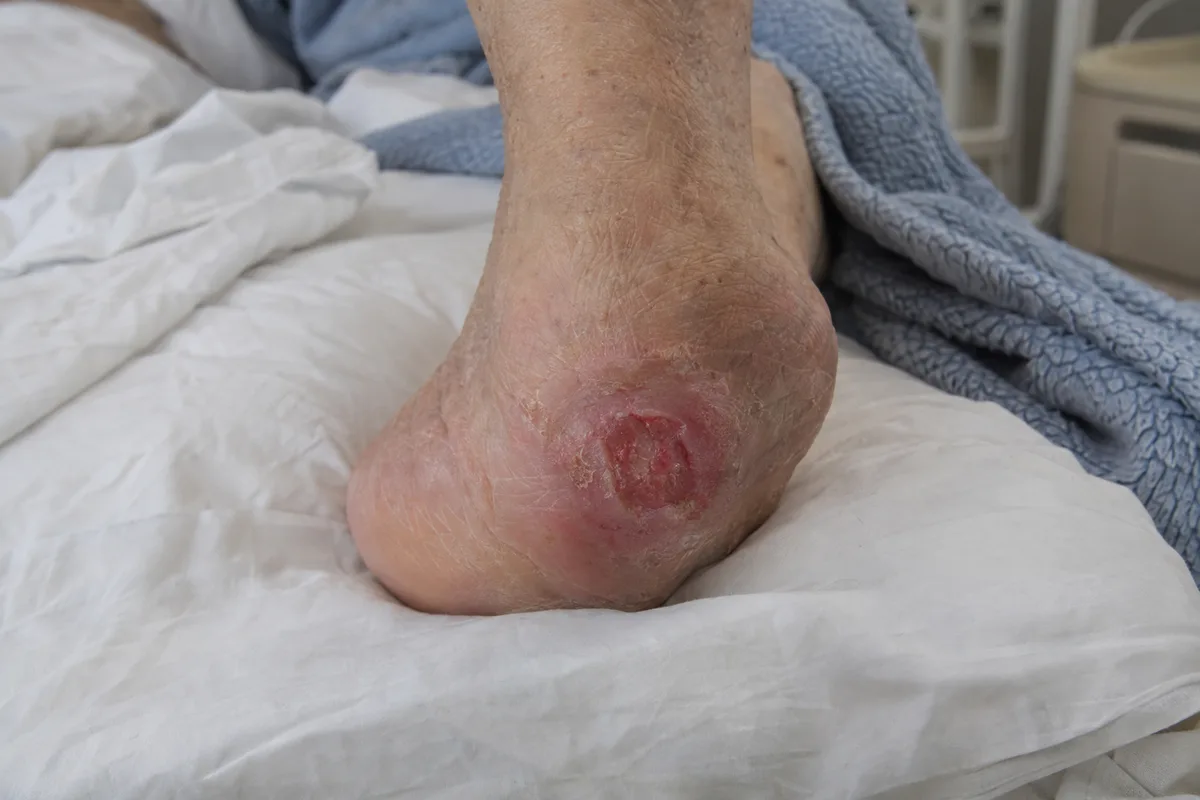
Bedsores & Pressure Sores
- CoversSkin under pressure in a bed or chair
- First stepChange position at least every 2 hours
- DermadenProtects fragile skin in a daily routine
-
 Guide 3
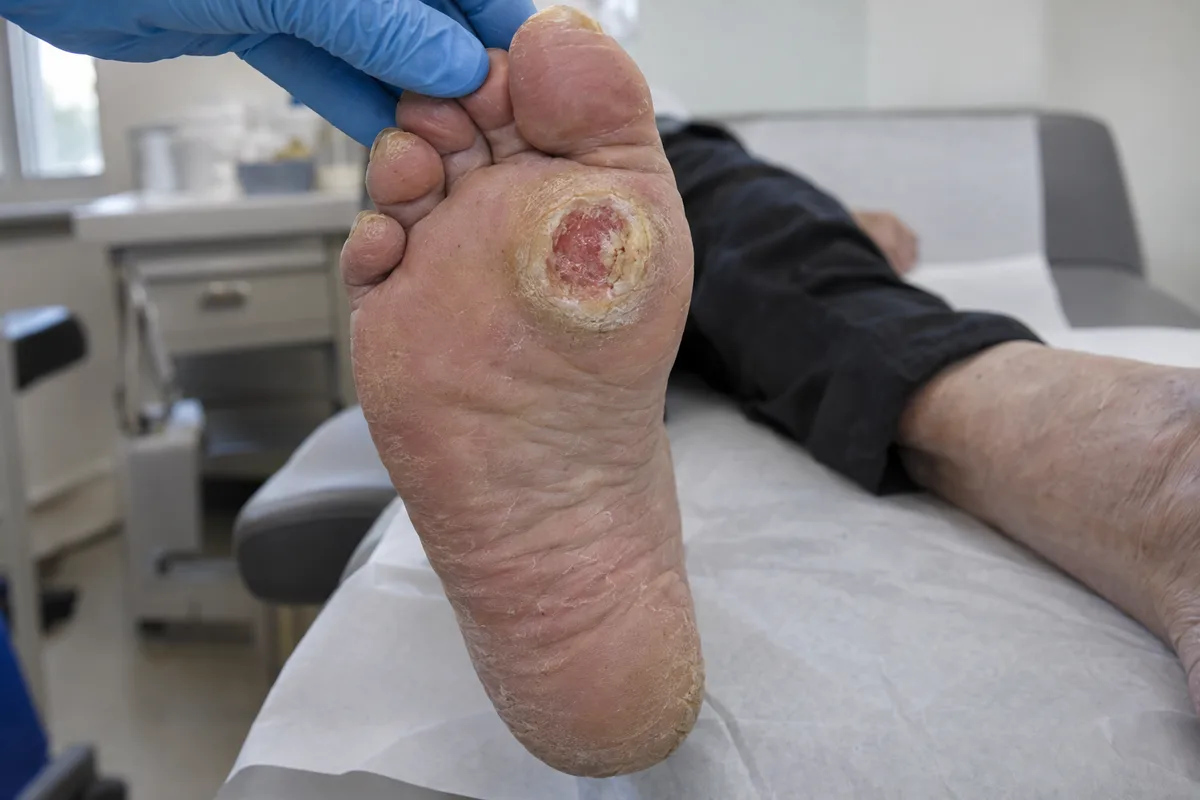
Diabetic Ulcers
- CoversSerious, slow-to-close diabetic wounds
- First stepAlways under a care team's plan
- DermadenA protective layer under a breathable dressing
-
 Guide 4
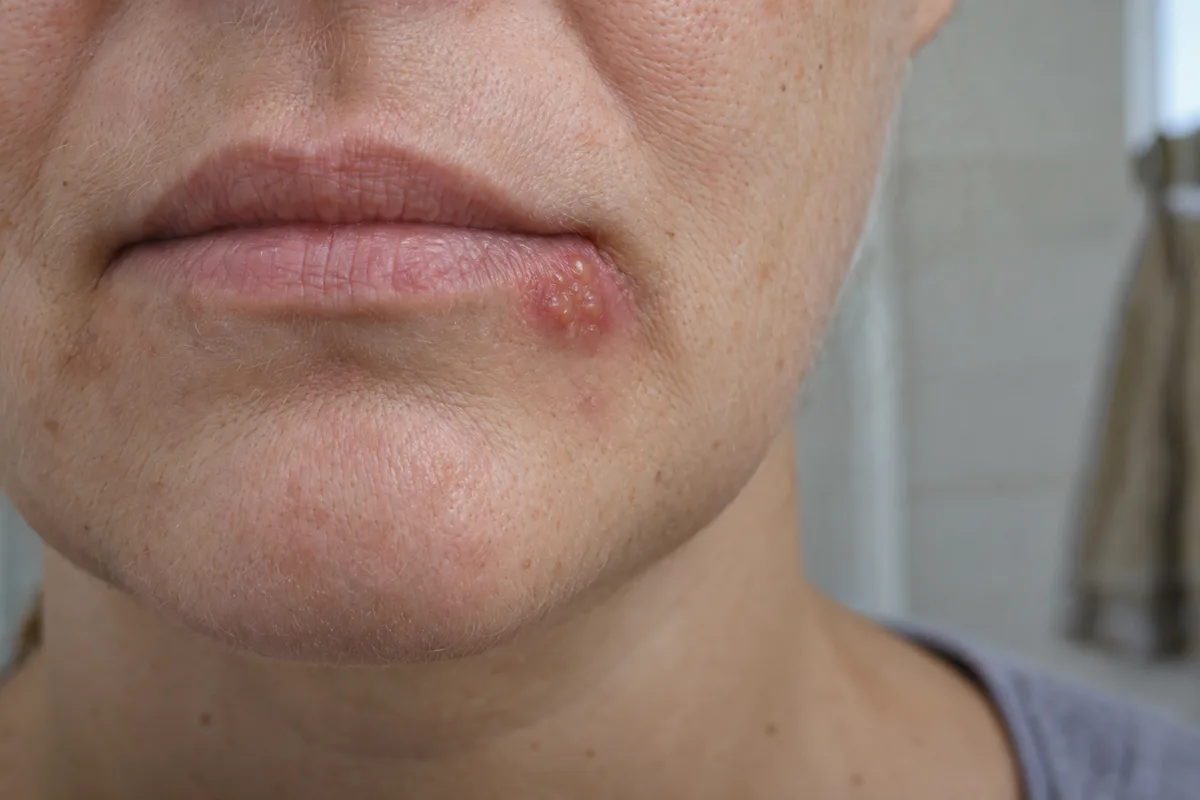
Cold Sores & Fever Blisters
- CoversThe skin around a flare-up
- First stepHands off, and wash your hands
- DermadenKeeps the surrounding skin soft and covered
-
All Wound Care Guides
An overview of daily wound care at home: wound types, cleaning, dressings and a home kit.
Read the overview →
We Ship Nationwide
All 50 states, direct to your door.
Dermaden® is made in Israel and sold directly to customers across the United States: 1.35 fl oz (40 ml) for $49, or 3.38 fl oz (100 ml) for $89, about 27% less per ml for ongoing care. Shop Dermaden.
Questions About the Science?
Ask us about the ingredients, the study or how to use Dermaden.
Our own team answers every call and message. We are happy to talk through the formula, send you the study, or help you work out how Dermaden fits into your routine.
Call +1 (848) 389-6474 or email in**@********us.com. Prefer to write? Use the form and we'll get back to you.
Questions About How Dermaden Works
What is NMBM?
NMBM stands for Natural Matrix Biopolymer Membrane, the technology inside Dermaden®. When you spread a thin layer on the skin, it settles into a soft, flexible membrane that works like a light, temporary dressing: it covers the area, holds moisture and keeps the surface protected.
Has Dermaden been clinically studied?
Yes. NMBM, the technology in Dermaden, was studied in a pilot randomised clinical trial at the Department of Dermatology of Sheba Medical Center in Israel, published in the Journal of Wound Care in 2020. In adults with venous leg ulcers, it performed in line with conventional dressings over four weeks; the differences between the groups were not statistically significant, and the authors call for larger studies.
What is in Dermaden?
Purified water, beeswax, carnauba wax, glycerin, sorbitol, lauric acid, glyceryl oleate, myristic acid, stearic acid, propylene glycol, sodium polyacrylate, ethylhexyl stearate, trideceth-6, potassium hydroxide, L-lysine HCl, glycine, histidine, arginine, fructose and phenoxyethanol, as published in the Sheba study. Always check the label on your tube.
Does Dermaden contain antibiotics?
No. Dermaden contains no antibiotics and no active drug ingredient. It works physically, through the protective membrane it forms on the skin.
Is it gentle on skin?
In a repeat insult patch test on 50 healthy volunteers, no cases of contact dermatitis or skin irritation were reported. If you know you react to any ingredient on the list, check the label before use.
What pH is Dermaden?
Dermaden holds the skin's surface at a slightly acidic pH of 6.5 to 7. Four amino acids in the formula (L-lysine, glycine, histidine and arginine) act as a buffer that keeps it in that range.
Why does Dermaden contain sugar?
Fructose and sorbitol make the membrane hypertonic, meaning it holds more dissolved sugar than the fluid in the tissue below. That difference draws excess fluid up from the wound area into the film, so the surface stays moist without pooling.
Do I still need a dressing?
Usually, yes. Apply a thin layer of Dermaden, then cover with a breathable dressing suited to the area. Change the dressing when it gets wet or dirty and reapply the cream each time.
How often do I apply it?
Typically one to three times a day, as directed on the pack. In the Sheba study, participants applied it twice a day.
Where is Dermaden made?
Dermaden is developed and manufactured in Israel. Derma Den USA sells it directly to customers online and ships to all 50 states.
